
The Villages Garage Door Guide
What The Villages' Housing Age Means for Your Garage Door
Homes in The Villages went up between 1973 and 2015, mostly 1980s-90s builds, with door and opener wear tied to Florida's mild climate and age of the stock.
- Licensed & Insured
- Same-Area Service Calls
- Upfront Pricing
The Situation
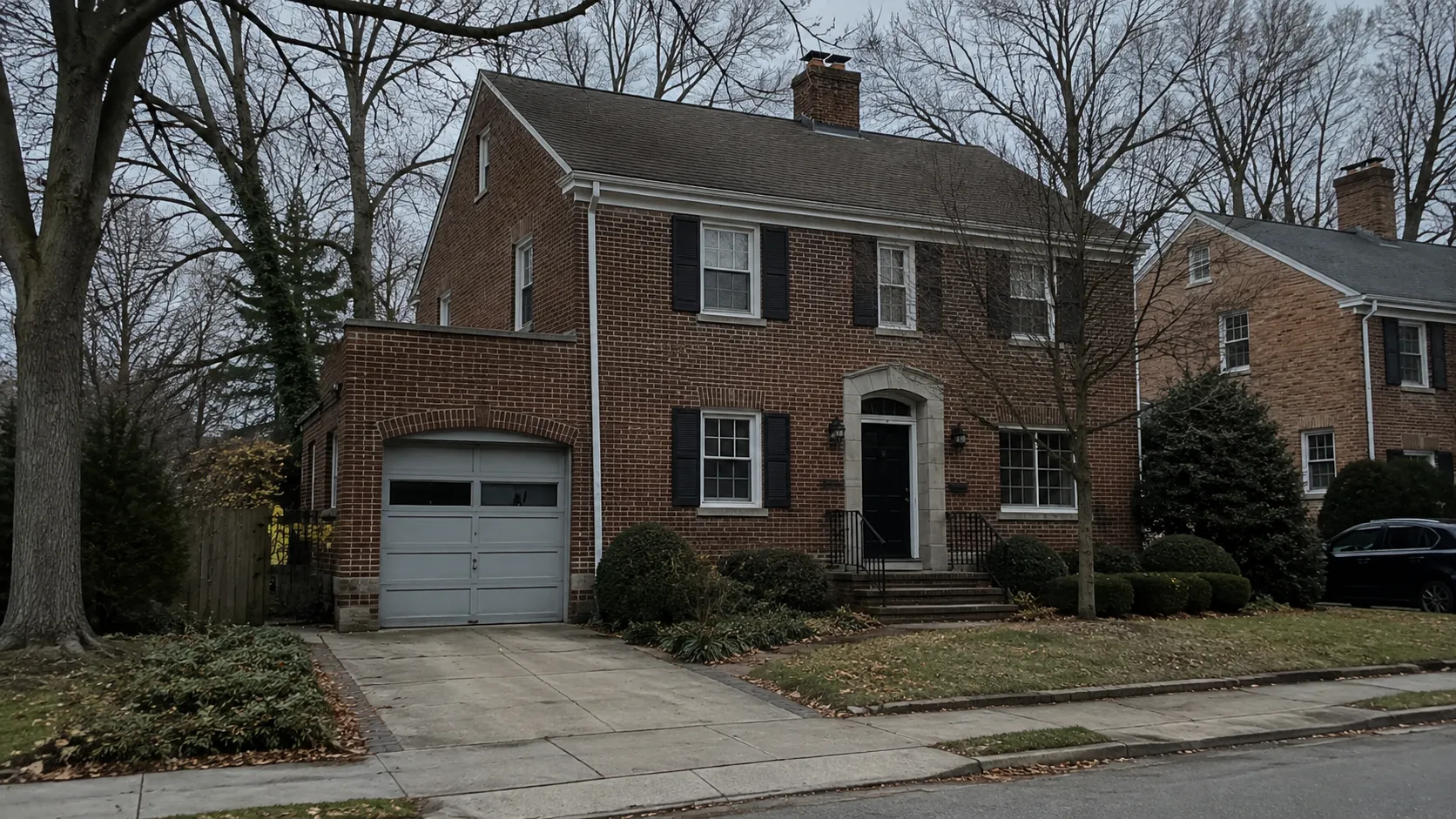
The Villages is a housing-stock story before it's anything else. Homes here went up mainly between 1973 and 2015, with the median build year landing around 1987, and across the 16 named areas that make up the community, the bulk of what's on the ground dates to the 1980s and 90s. That means a lot of garage doors and openers installed under one wave of construction standards, now thirty-five to forty years old on the earliest sections, and fifteen to twenty years old on the newer ones.
With 69,686 households in the service area and 37,572 owner-occupied houses, a large share of those garages still run original hardware: steel doors on extension or torsion springs sized to whatever the builder's supplier stocked at the time. At a median household income of $60,543, most owners we talk to want a straight answer on whether a door is worth fixing or worth replacing, not an upsell. That's the situation on the ground: older stock, consistent construction era, and a community large enough that parts availability and labor costs matter more than they would in a smaller town.
How Local Conditions Play In
The climate band here is mild temperate, which changes what actually wears a garage door out. You're not dealing with hard freeze-thaw cycles that crack panels or seize torsion springs solid the way colder regions do. Instead, the failure pattern in a place like this runs toward UV breakdown on paint and weatherstripping, humidity working into unsealed wood-composite panels, and heat cycling that loosens screws and hinges over years of expansion and contraction.
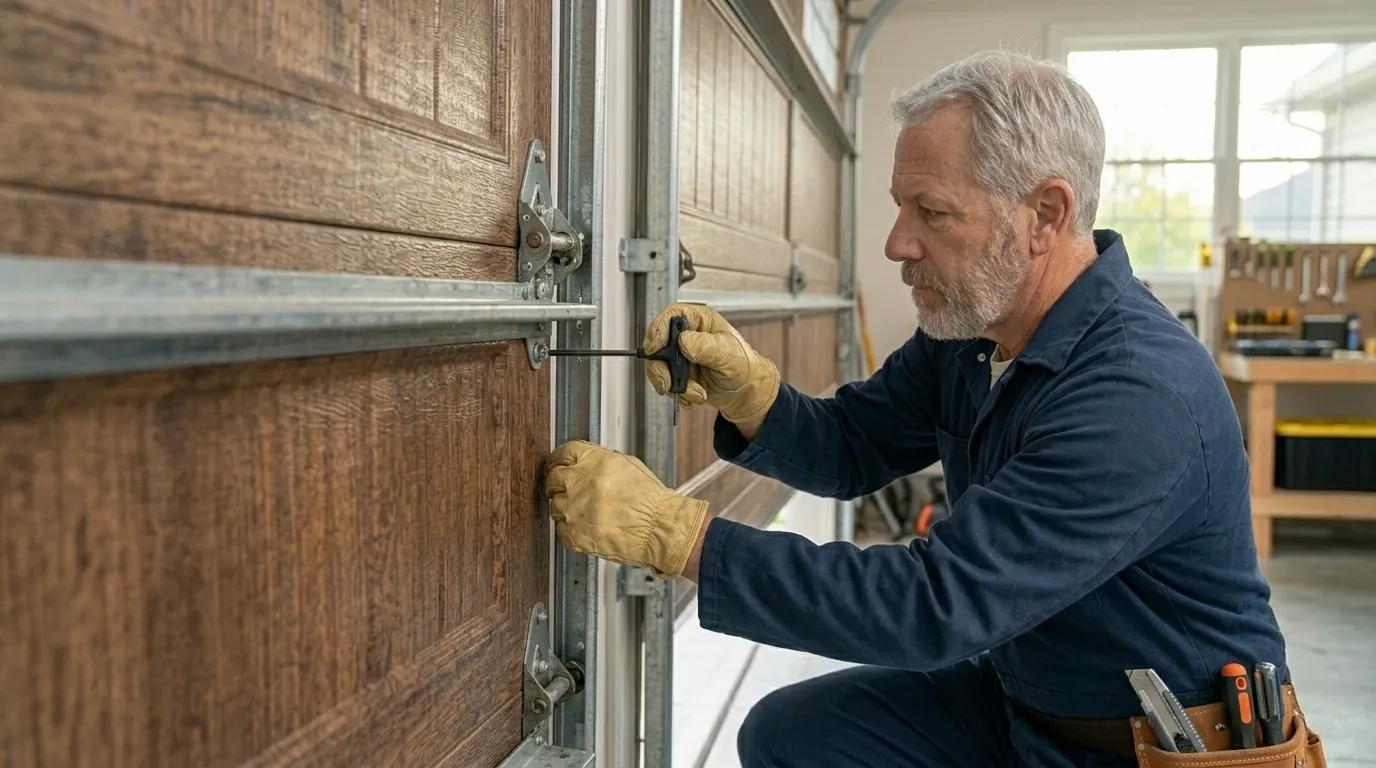
Given the 1973-2015 build window and the concentration in the 1980s and 90s, a lot of doors are reaching the point where the original springs have done their rated number of cycles regardless of weather - torsion springs are rated in cycles, not years, and a door used daily for three decades has likely burned through more than one set already. The mild climate buys you longer life on the sheet metal itself; it doesn't buy you longer life on moving parts. If your door is from that original construction wave, the spring and the opener motor are more likely to be the weak point than the panel.
When to Call Someone
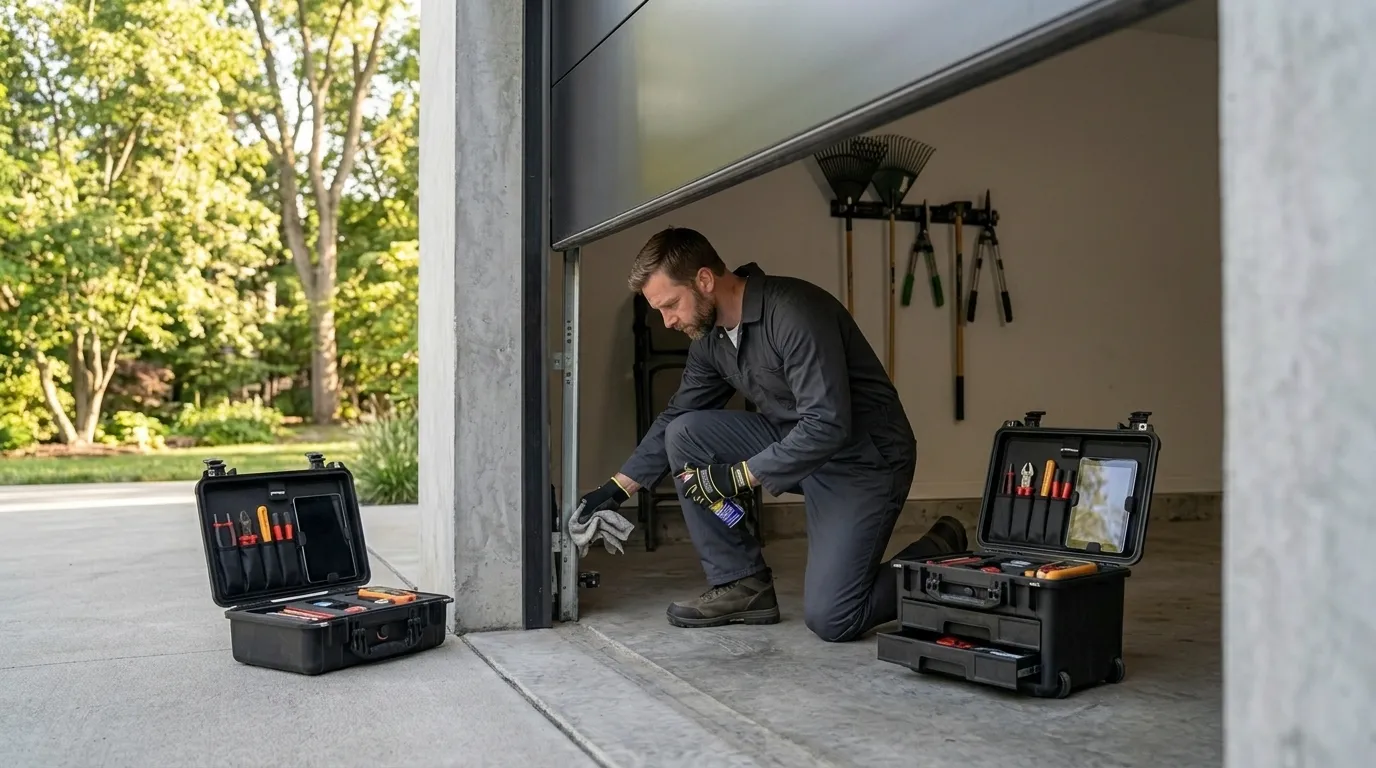
Call before a spring fails all the way, not after. A torsion spring under tension that's starting to go will often show a visible gap in the coil or make a bang when it lets go - and on a door this age, in this housing stock, a full break usually means both springs are close to end of life even if only one snapped, since they're set at the same time and see the same cycles.
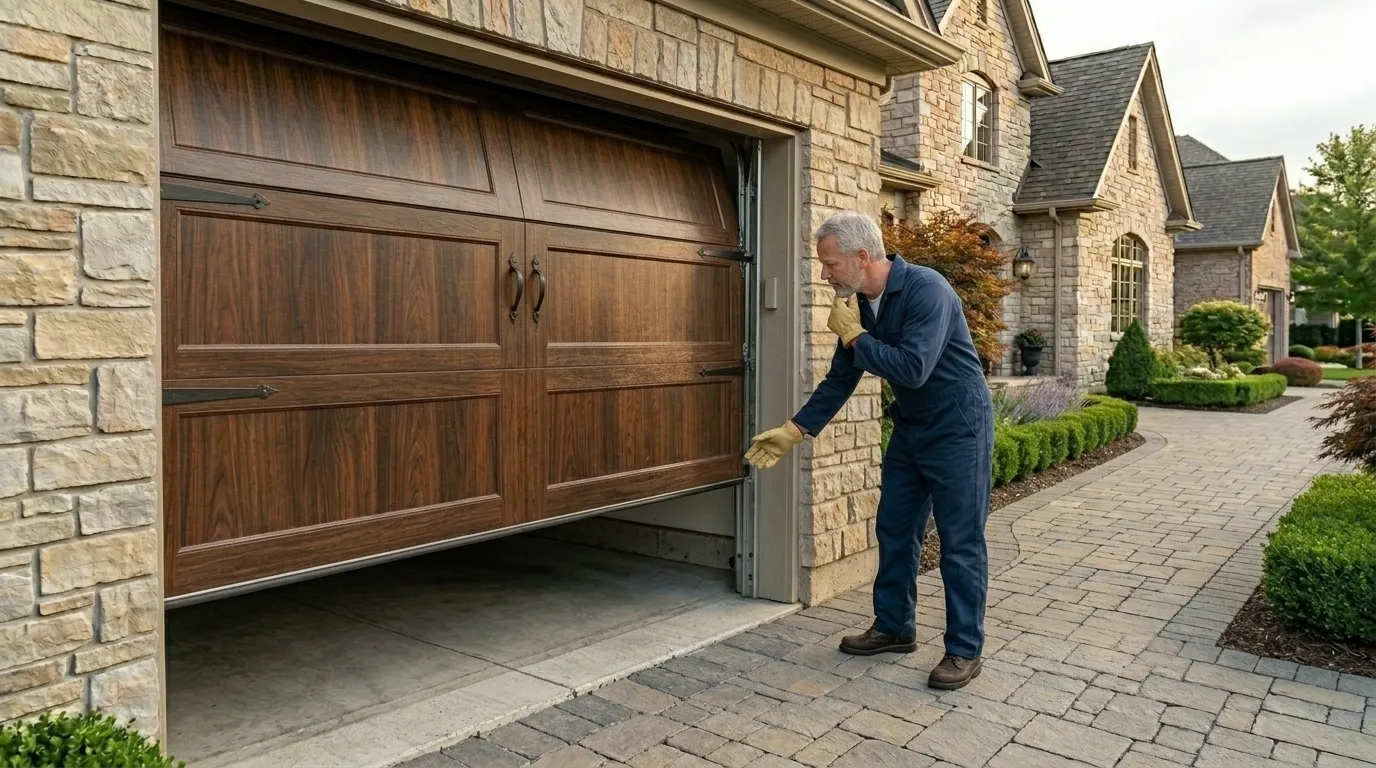
Other signs worth a call: the opener runs but the door doesn't move, the door reverses on its own before touching the floor, or one side visibly sags when it's open halfway. On original builder-grade doors from the 1980s and 90s, worn rollers and stretched cables are common enough that a same-visit fix is often possible - we don't stock every obsolete opener logic board, so if yours is an older model with a control panel that's no longer made, expect that to affect turnaround. That's the one honest limit: parts for the oldest opener units in this area sometimes take longer than the springs and cables do.
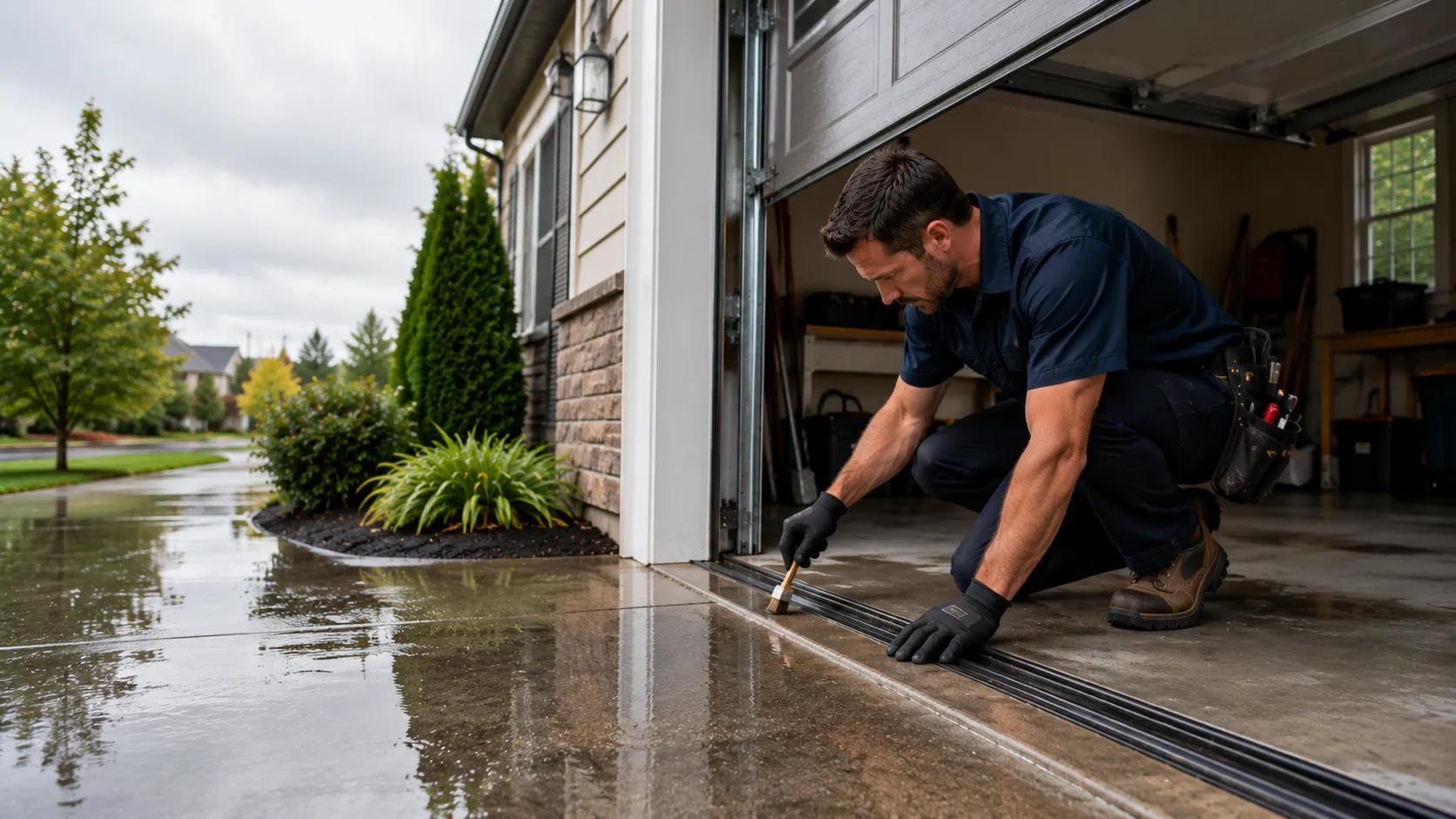
Checking It Yourself
Before you call, a few checks take five minutes and tell us a lot. Pull the release handle with the door closed and lift it by hand - a properly balanced door should move with one hand and hold its position at waist height. If it slams down or shoots up, the springs are out of balance and that's not a DIY spring fix.
Look at the springs themselves, mounted above the door on the horizontal bar: a gap in the coil, rust streaking, or a visibly stretched section means it's near the end. Check the cables on either side of the door for fraying, especially near the bottom bracket, and listen for grinding on the way up - on doors from the 1980s and 90s stock common across this area, worn rollers are usually the source of that noise, not the opener.
None of this fixes a broken spring safely on your own; springs under tension have hurt people. But knowing which part is failing before you call means the right truck comes out the first time instead of a second visit to fix the part you didn't know was involved.
How We Can Help
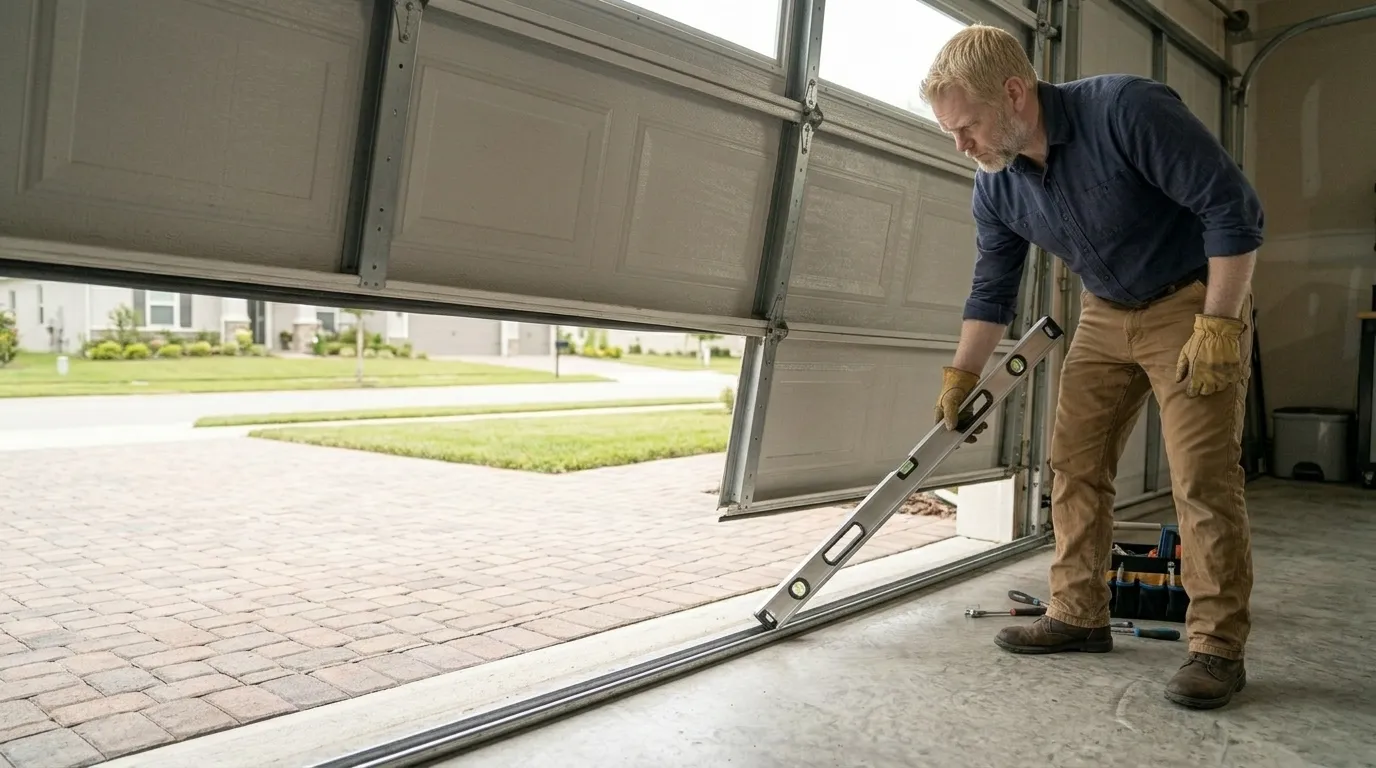
Garage Door Repair
Springs, cables, tracks, rollers, and openers fixed by a tech who explains the problem before touching anything.
Learn more →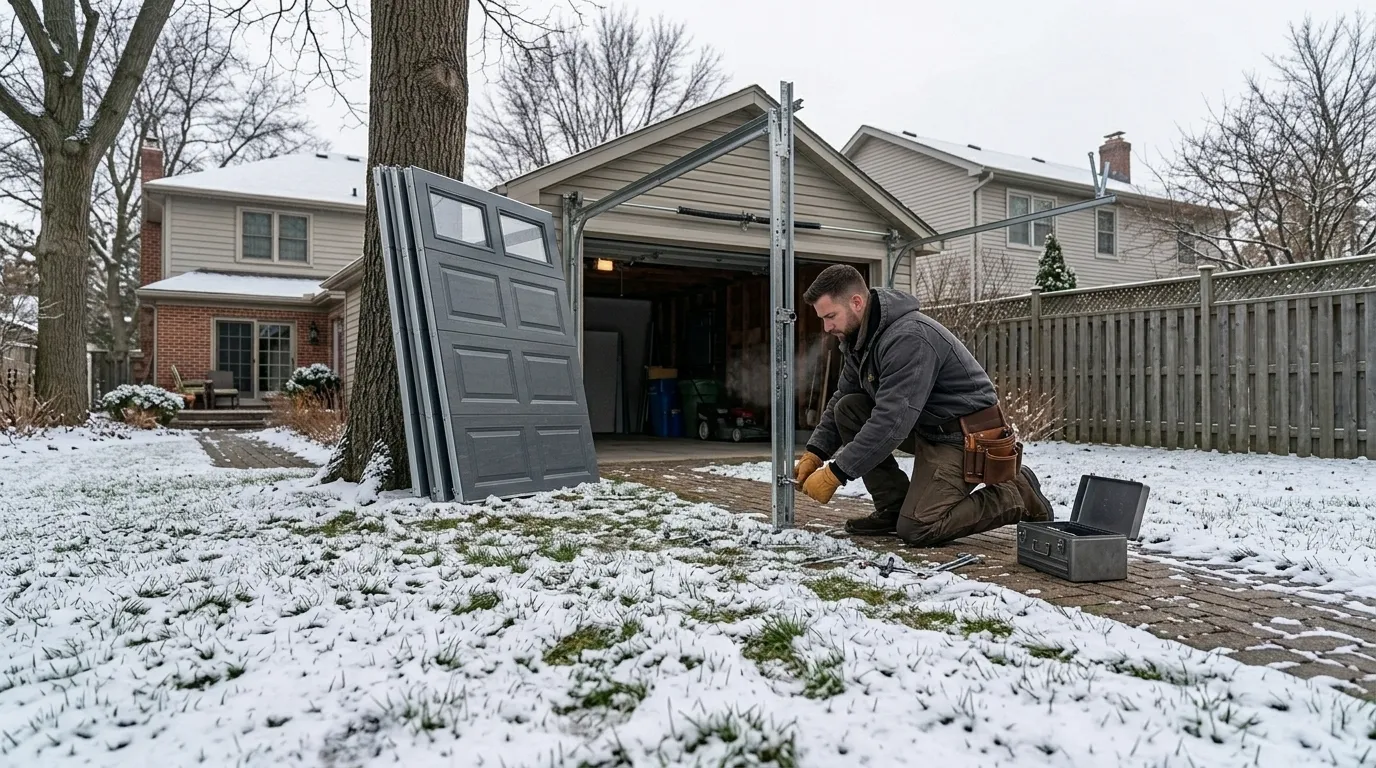
Garage Door Installation
New sectional doors sized and installed for the housing stock actually built in this area.
Learn more →
Garage Door Service
Tune-ups, lubrication, and safety checks that catch a small problem before it becomes a service call.
Learn more →Frequently Asked Questions
How old are most garage doors in The Villages?
Most of the housing stock here went up between 1973 and 2015, with the median build year around 1987 and the bulk of the 16 named areas built out in the 1980s and 90s. That puts a lot of original doors and openers at fifteen to forty years old, which is well past the working life of the factory-installed torsion springs.
Does the mild Florida climate here affect garage door springs?
It changes the failure pattern rather than preventing wear. This area sits in a mild temperate band, so springs aren't fighting hard freeze-thaw cycles, but heat cycling and UV still take a toll on weatherstripping, paint, and hardware over the decades since these houses were built.
Do you work in areas near The Villages, like Lady Lake or Fruitland Park?
Yes, we cover The Villages and nearby communities including Lady Lake, Fruitland Park, Wildwood, Belleview, and the other towns within roughly a twenty-mile radius, most of which share a similar housing age and construction pattern to The Villages itself.
Is it worth repairing an old builder-grade door or replacing it?
It depends on what's failing. A worn spring, cable, or roller on an original 1980s or 90s door is usually a straightforward repair. If the opener's control board is an obsolete model with no parts available, or the panel itself is rusted through, replacement often ends up the more honest answer - we'll tell you which situation you're in before we quote anything.
Have a Door That Needs a Second Opinion?
Call and describe what it is doing - we will tell you what it likely is.