
The Villages Garage Door Guide
Garage Door Noises That Mean Something in The Villages
What a grinding, popping, or rattling garage door means in a Villages-area home built between 1973 and 2015, and when the noise is a real warning sign.
- Licensed & Insured
- Same-Area Service Calls
- Upfront Pricing
The Situation
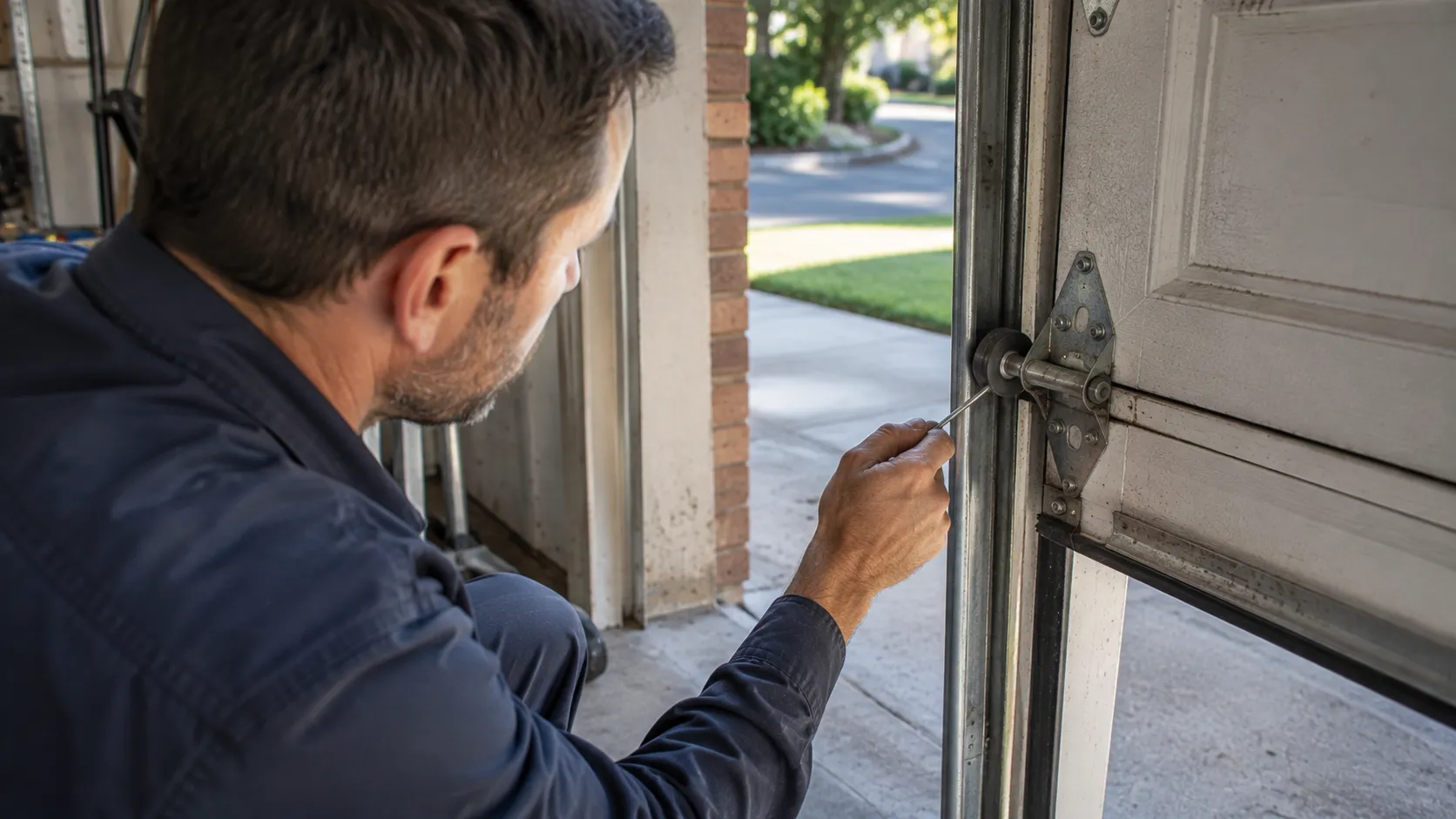
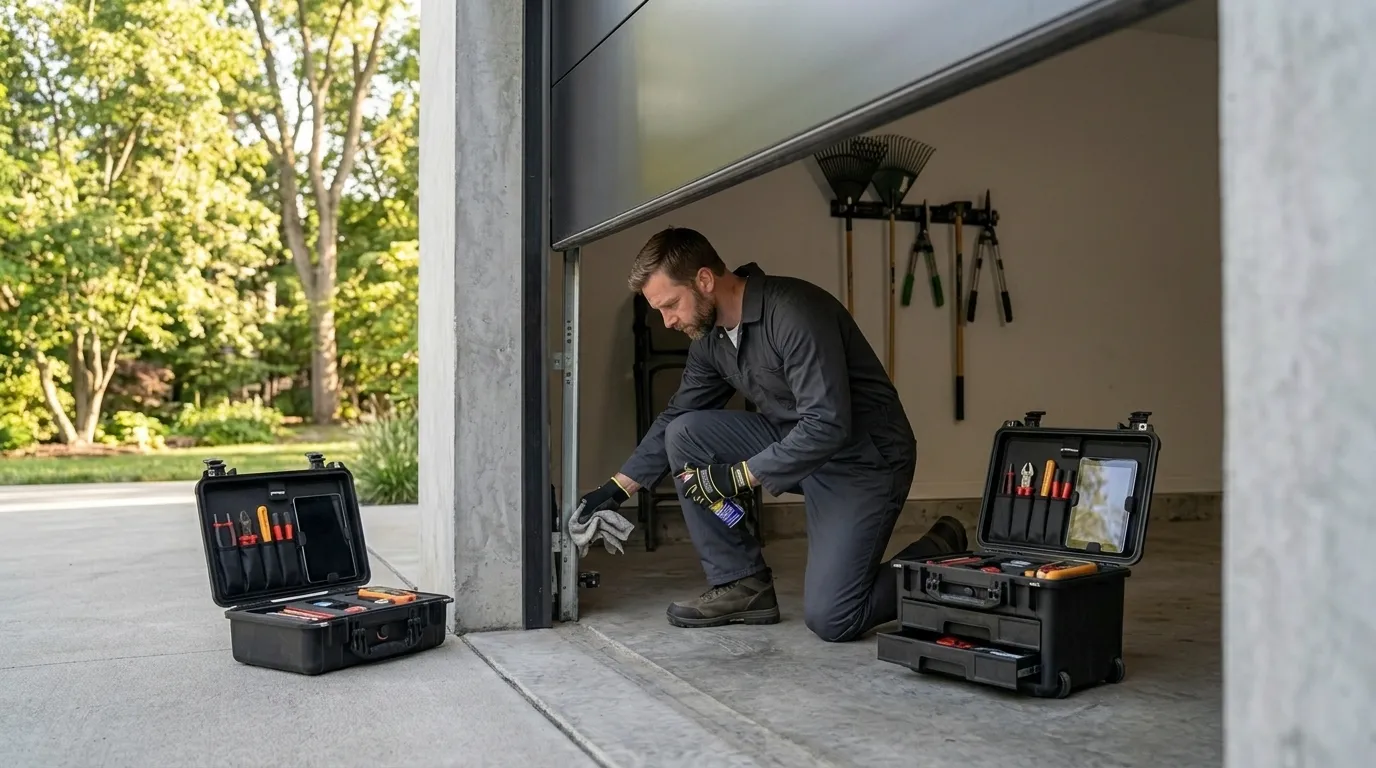
Most of the housing stock across this service area went up between 1973 and 2015, with the median build year landing around 1987. That spread matters because it means a lot of doors and openers out there are now old enough to be wearing out original hardware, but the neighborhoods aren't uniform - across the 16 named areas here you'll find everything from early-80s builds to houses finished in the last decade. A noise that's normal in a 2012 build can be a warning sign in an '80s or '90s one, because the springs, rollers, and drums are simply older and closer to the end of their rated cycle count.
When a homeowner calls us describing a sound, the first thing we ask isn't "what does it sound like" - it's roughly when the house was built, because that tells us what's likely failing before we ever see the door. A grinding sound on a 1988 door and the same grinding sound on a 2014 door usually point to different parts.
How Local Conditions Play In
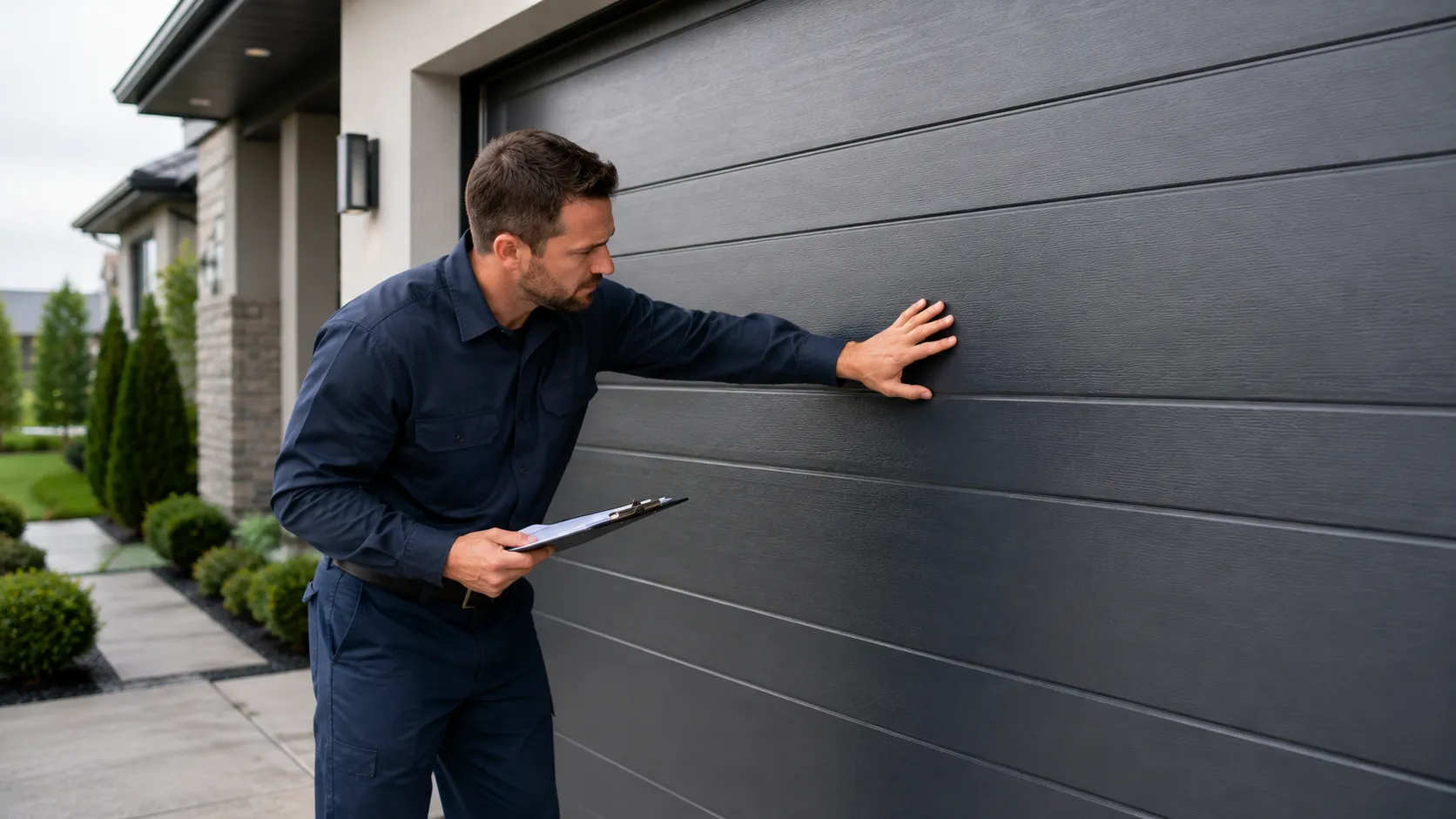
This area sits in a mild temperate band, without the hard freeze-thaw cycles or extreme summer humidity swings that chew through rubber seals and metal fatigue in harsher climates. That's good news in one sense - it means a lot of noise issues here trace back to age and use rather than weather damage. But mild doesn't mean nothing happens.
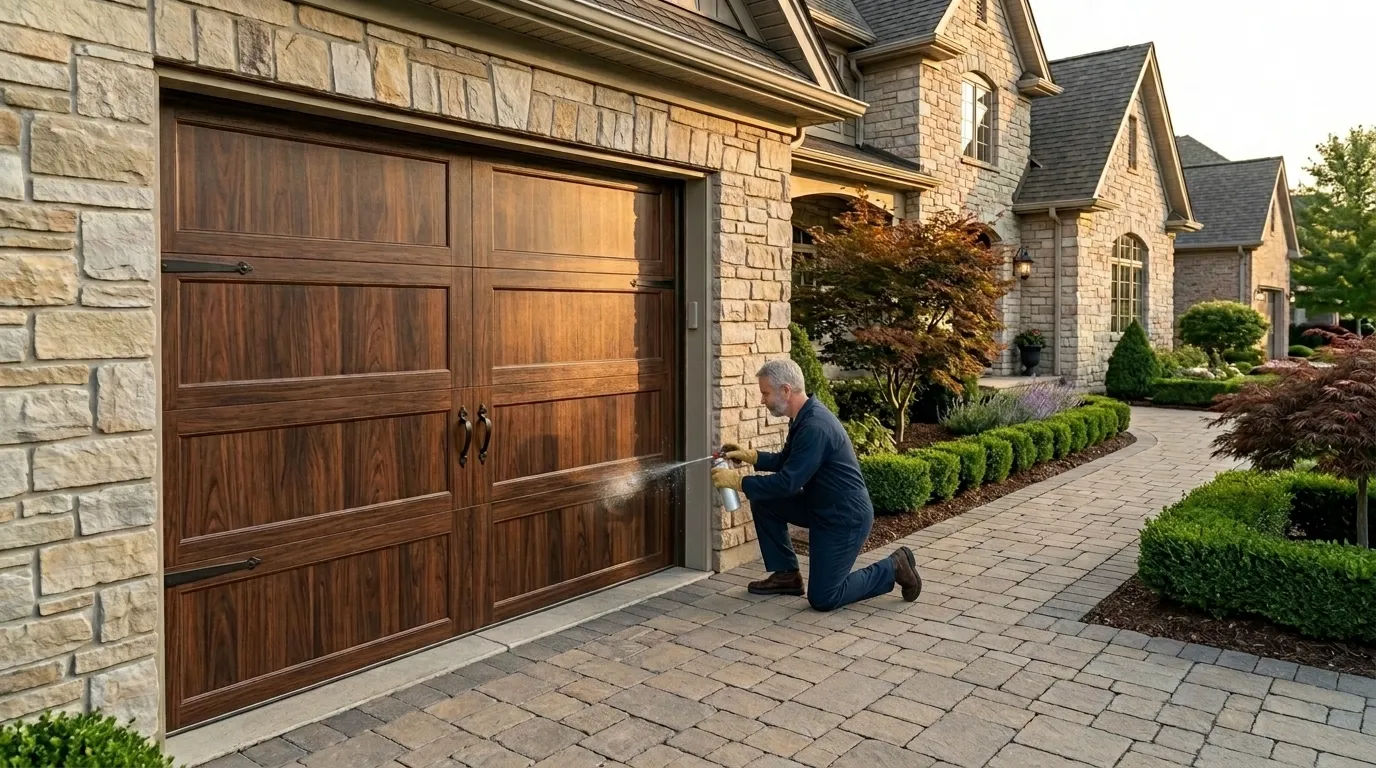
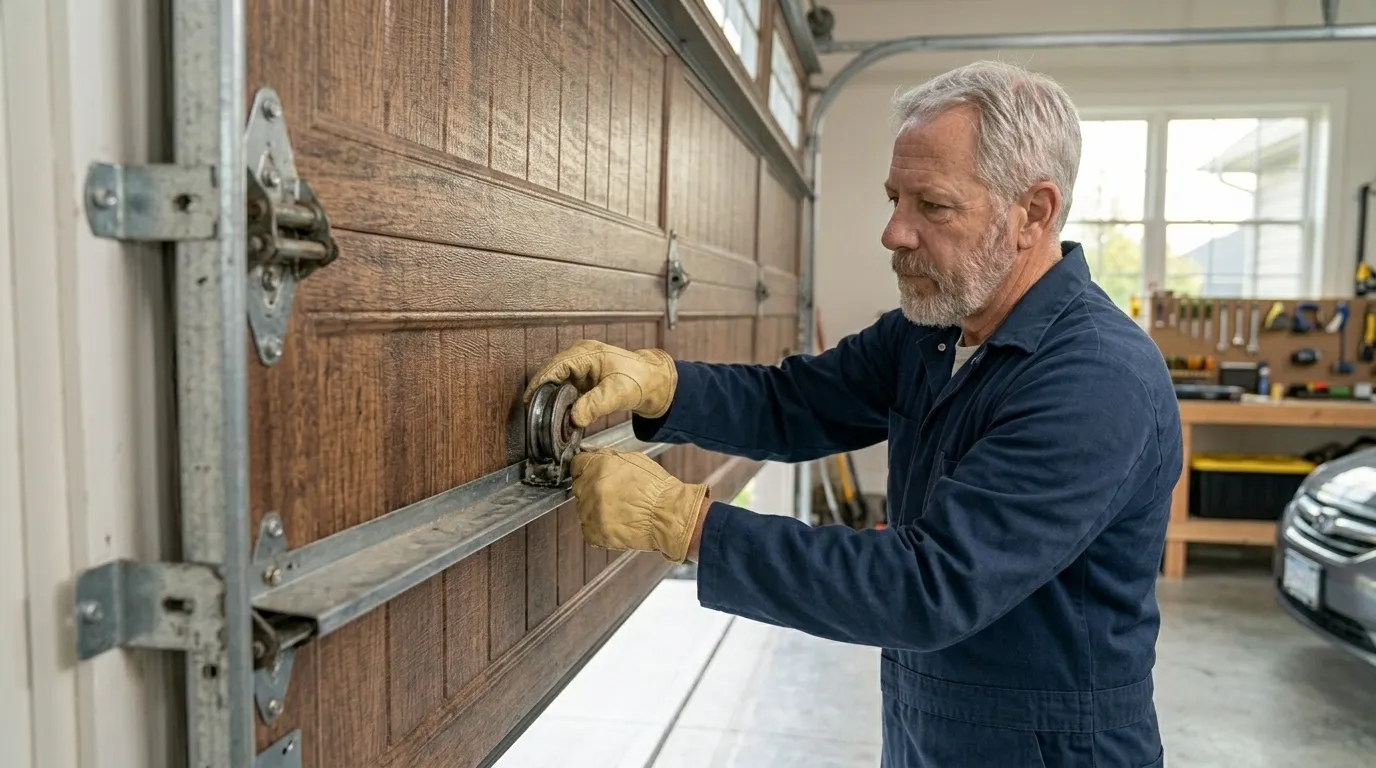
Steady moderate heat and routine humidity still dry out factory lubricant on rollers and hinges faster than most owners expect, especially on doors that haven't been serviced since they were installed. A squeak that shows up gradually over a few months, rather than overnight, is usually this: the grease has worked its way out and metal is running on metal. It's not a sign of failure yet, but it's the sound of a part shortening its own life every time the door cycles.
In this climate, that's often the easiest and cheapest noise to catch early, because it isn't competing with rust or ice-related wear the way it would elsewhere.
When to Call Someone
Some sounds are worth a phone call the same day. A loud bang followed by the door refusing to move, or hanging unevenly, usually means a broken torsion spring - on doors from the older end of the 1973-2015 range, that spring has likely never been replaced and was never rated to last this long.
A rhythmic thump once per rotation from a track-mounted drum, or a door that jerks and stutters partway through its travel, points to a cable off its drum or a worn roller riding out of the track. These aren't jobs to keep testing with the opener button; running a door on a failing cable or spring risks the panel dropping or the track bending, and that turns a parts repair into a full door replacement.
Checking It Yourself
placeholder
How We Can Help
Garage Door Repair
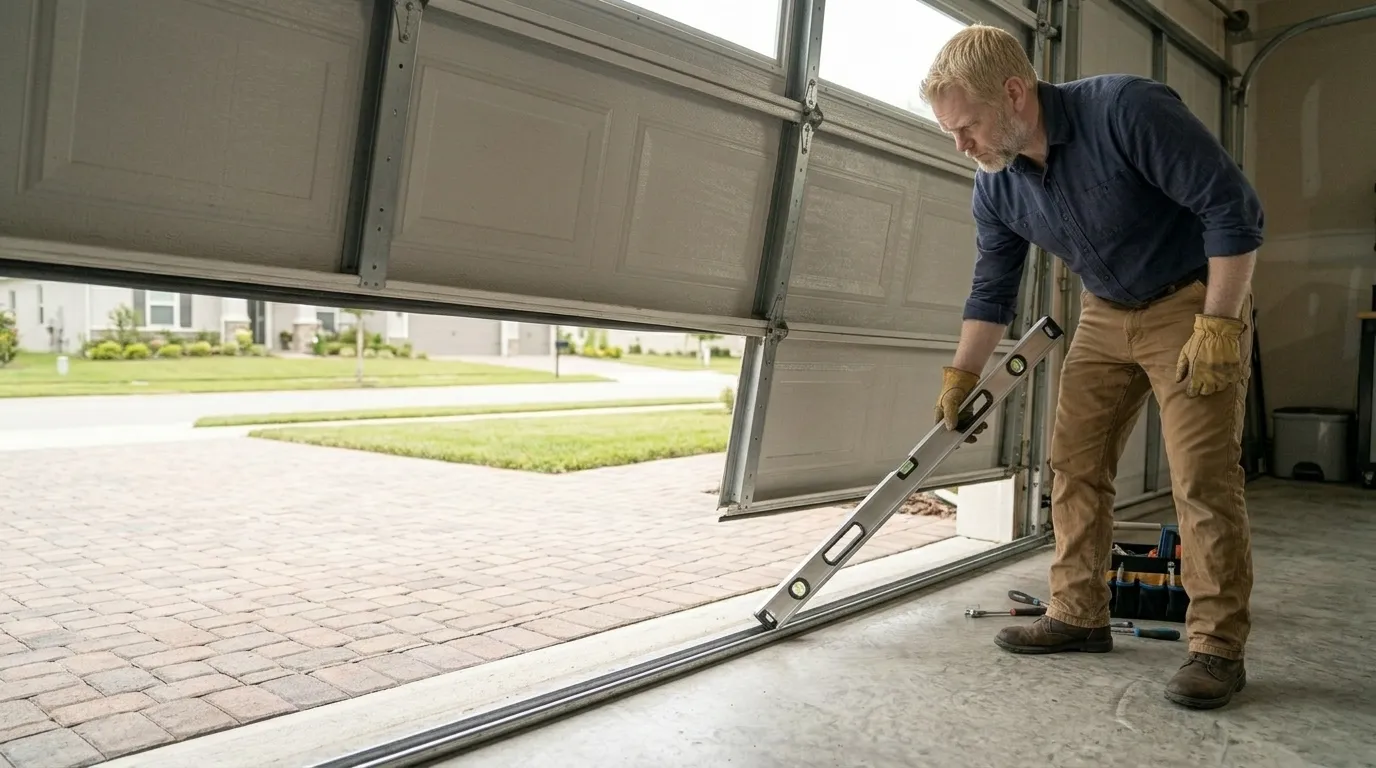
Springs, cables, tracks, rollers, and openers fixed by a tech who explains the problem before touching anything.
Learn more →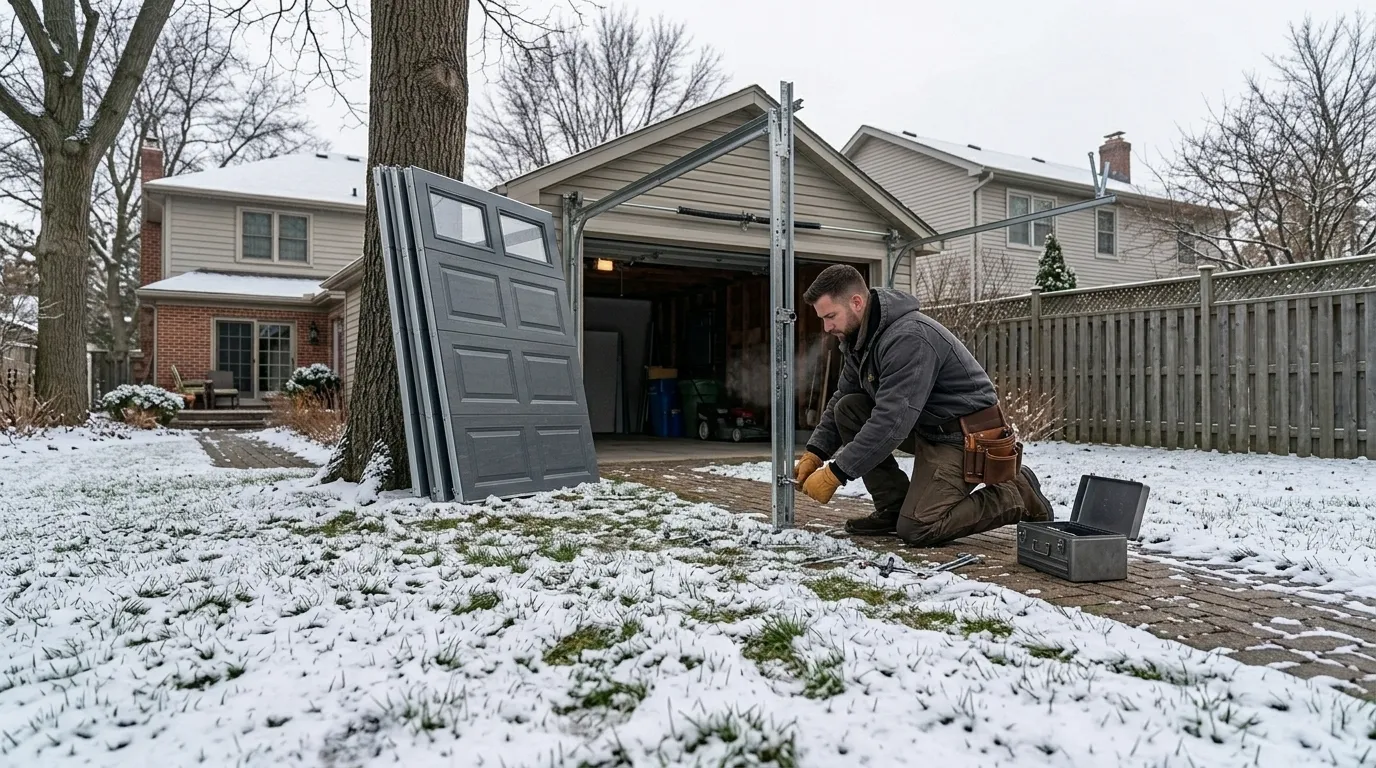
Garage Door Installation
New sectional doors sized and installed for the housing stock actually built in this area.
Learn more →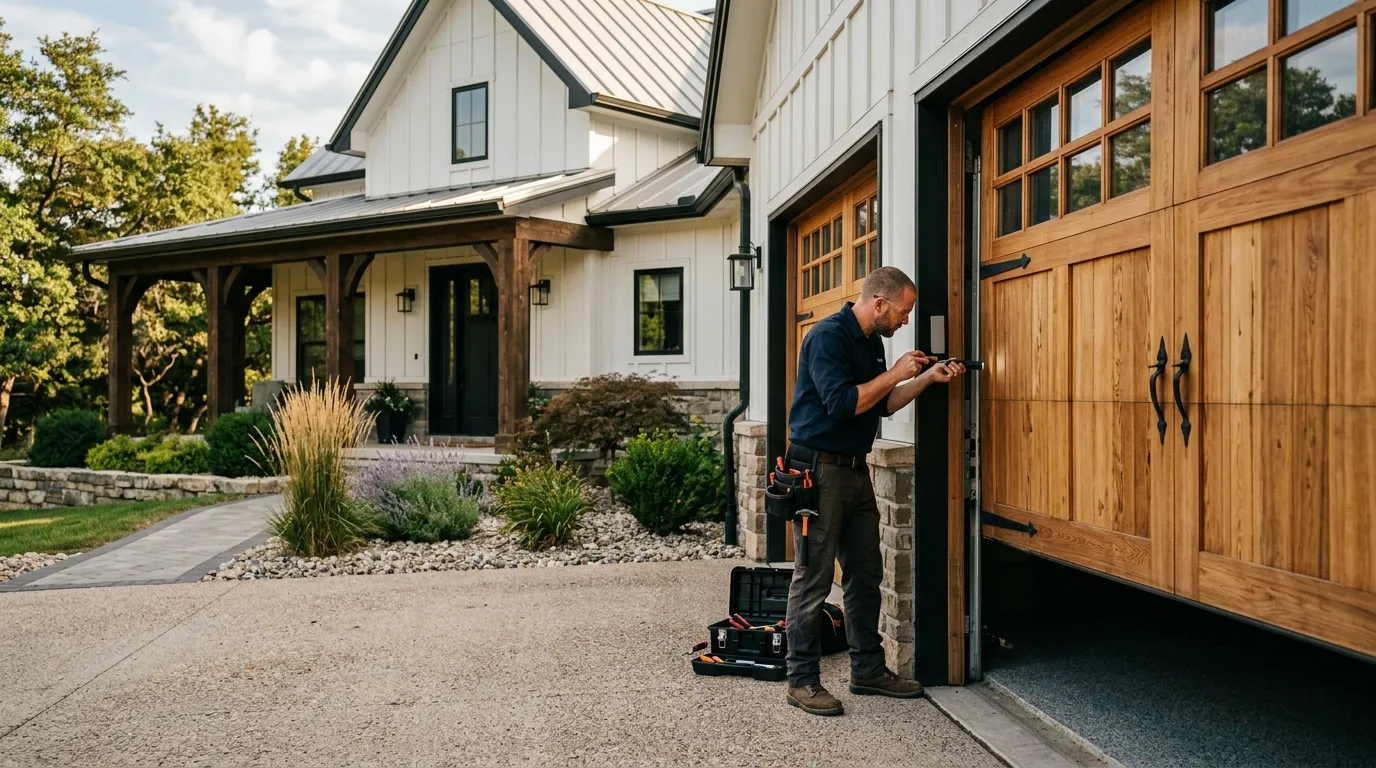
Garage Door Service
Tune-ups, lubrication, and safety checks that catch a small problem before it becomes a service call.
Learn more →Have a Door That Needs a Second Opinion?
Call and describe what it is doing - we will tell you what it likely is.